Meal Prep vs. Fresh Cooking: Which Saves More Time and Money?
It is 6:40 p.m. You are hungry, the fridge is a collection of half-used ingredients, and the takeout app is already open. This is the moment where the meal prep versus fresh cooking debate actually happens — not in theory, but in your kitchen, on a Tuesday, when you are tired.
Both approaches work. The question is which one works for your week. Here is a practical breakdown of cost, time, and nutrition quality, plus a way to combine them so you are not choosing a side at all.
What "Meal Prep" Actually Means
Meal prep is not one thing. It is a spectrum, and where you land changes everything about cost and time.
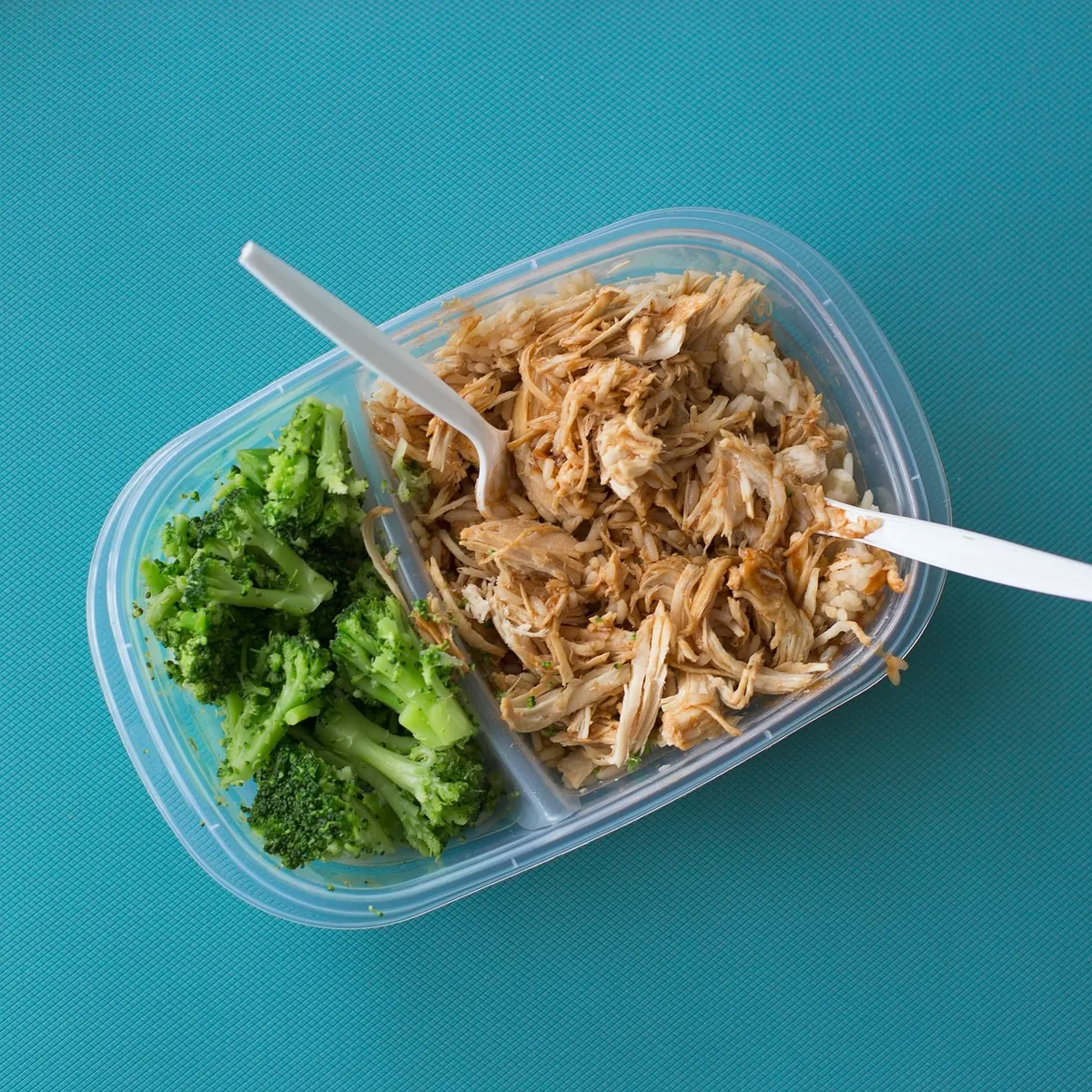
- Full batch cooking: You cook five identical lunches on Sunday. Cheapest and fastest on weekdays, but repetitive.
- Component prep: You cook grains, roast vegetables, grill protein, and make one sauce, then assemble different bowls during the week. More variety, slightly more weekday effort.
- Freezer prep: You double a recipe and freeze half. Almost no extra work on cooking night, and you build a buffer for busy weeks.
- Ingredient prep only: You wash, chop, and portion raw ingredients so weeknight cooking takes 15 minutes instead of 40. This is the option most people overlook.
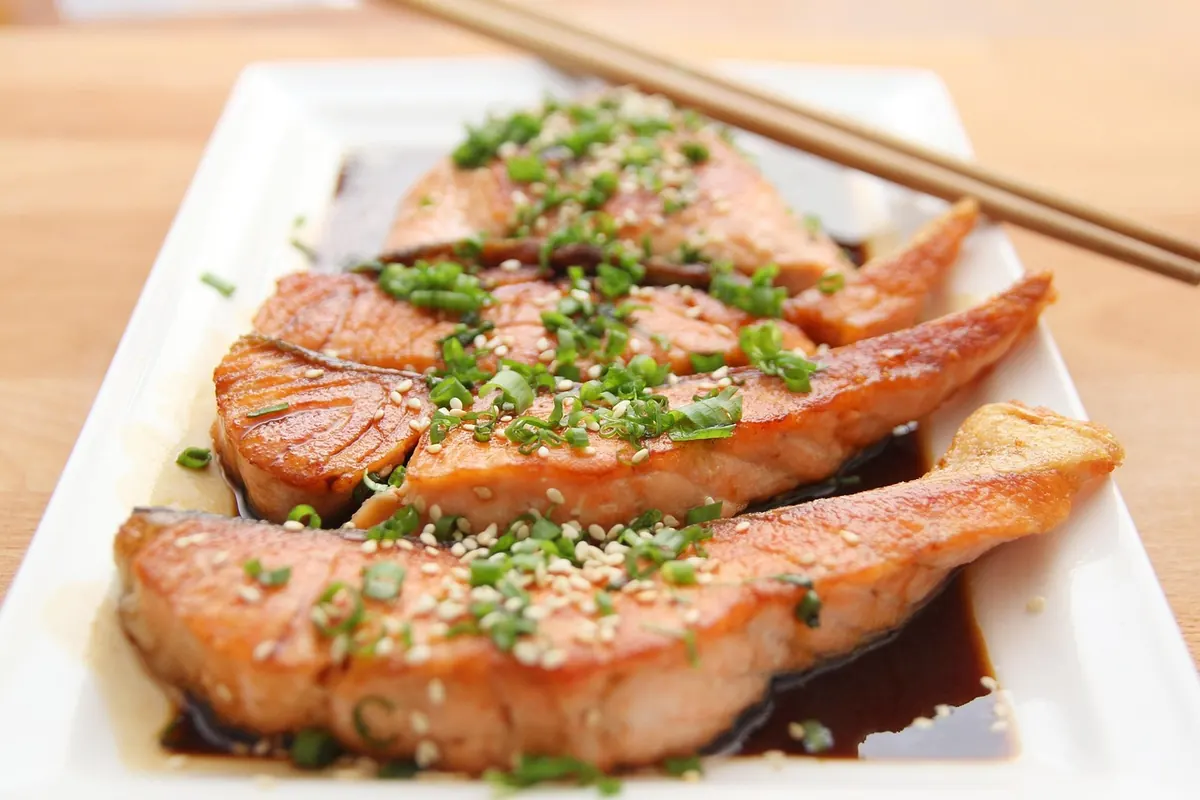
Fresh cooking, by contrast, means preparing food close to when you eat it — usually one meal at a time, from raw or lightly processed ingredients.
The Money Question: Which Is Cheaper?
Meal prep usually costs less per serving, and the reason is not complicated. You buy in larger quantities, you use ingredients fully instead of letting half a bunch of cilantro wilt, and you stop making emergency food decisions when you are hungry and impatient.
The biggest savings rarely come from coupons. They come from three habits:
- Planning around what is already in your kitchen. Check the fridge, freezer, and pantry before you write a list.
- Cooking once, eating twice. Doubling a chili or a tray of roasted vegetables costs a little more today and saves a full meal later.
- Buying ingredients that work in multiple meals. A bag of onions, a head of cabbage, a dozen eggs, and a bag of rice can become six different dinners.
Fresh cooking can be just as affordable if you shop with a plan and cook reasonable portions. Where it gets expensive is spontaneity: a mid-week grocery run for one recipe, a takeout night because nothing is ready, or produce that dies in the crisper drawer.
A fair way to compare is cost per plate, not cost per grocery trip. Track two weeks — one prepped, one fresh — and note what you actually spent, including the takeout. Most people find the gap is smaller than expected on groceries but much larger once convenience food enters the picture.
Where fresh cooking wins on money
If you live alone, have a flexible schedule, and enjoy cooking, fresh meals let you buy exactly what you will eat. No waste, no five containers of the same lentil soup. Smaller households often do better with light prep plus fresh cooking than with a full Sunday batch session.
The Time Question: The Real Math
Meal prep does not eliminate cooking time. It moves it. That distinction matters, because if your Sunday is already full, a three-hour prep session is not a solution — it is a second job.
Rough comparison for a week of dinners:
- Full batch prep: Two to three hours once, then near-zero cooking time on weeknights. Best for people with unpredictable evenings.
- Component prep: About 60 to 90 minutes once, plus 10 minutes of assembly per meal. The sweet spot for most households.
- Fresh cooking daily: About 30 to 45 minutes per meal, including cleanup. Higher total time, but spread out and more flexible.
There is also the invisible time cost: deciding what to eat, checking what you have, and cleaning up. Prepping reduces decision fatigue. Fresh cooking reduces the pressure to plan ahead. Neither is free.
If you hate cooking on Sundays, do not build your week around Sunday cooking. Build it around whatever day and hour you actually have energy.
Nutrition Quality: Does Prepping Cost You Freshness?
For most people, meal prep improves nutrition — not because prepped food is inherently healthier, but because it replaces the alternative, which is often skipping meals, snacking, or ordering something heavy.
A few honest caveats:
- Texture and appeal fade. Salads, cut fruit, and fried foods do not hold up well past a day or two. Cooked grains, roasted vegetables, soups, stews, and braises hold up beautifully.
- Variety matters more than method. Eating the same chicken and broccoli five days straight is technically balanced and practically unsustainable. Rotate two or three sauces, toppings, or sides to keep it interesting.
- Cool food properly. Spread leftovers in shallow containers so they cool quickly, refrigerate within about two hours of cooking, and reheat only what you are eating.
- Watch the salt and oil. Batch cooking makes it easy to overseason a large pot. Season lightly and adjust at the plate.
Fresh cooking has the edge on texture, aroma, and the pleasure of eating something just made. Those things matter — they are part of why people stick with a way of eating long term.
If you have a medical condition that affects what you eat, or you are managing a specific diet, work with a registered dietitian or your doctor before overhauling your routine. General advice cannot account for your individual needs.
A Practical Hybrid: The 80/20 Approach
You do not have to pick a team. A hybrid routine gives you most of the savings and time benefits without a punishing schedule.
- Prep components, not meals. One pot of grains, one tray of roasted vegetables, one protein, one sauce. Twenty minutes of assembly later gives you four different bowls.
- Plan for three cooked dinners, not seven. Leave room for leftovers, a simple eggs-on-toast night, and one meal out.
- Cook once, eat twice, freeze once. When you make soup, chili, or curry, double it and freeze one portion.
- Keep five emergency meals on hand. Canned beans, frozen vegetables, pasta, eggs, tortillas, tuna, rice. This is what prevents the takeout spiral.
- Prep for your worst day, not your best. If Wednesday is chaos, have Wednesday handled. That is enough.
Choosing What Fits Your Week
If your evenings are unpredictable and you dislike cooking after work, batch prep wins. If you work from home or genuinely enjoy cooking, light prep plus fresh meals will feel better and cost about the same. If you are feeding a family with different tastes, component prep solves the "I do not want that" problem elegantly.
Start with one change this week. Chop vegetables on the day you bring them home. Double one recipe. Write a five-line dinner list before you shop. Then measure what it actually saved you in money and minutes, and adjust from there.
The best system is not the one that looks most efficient on paper. It is the one you will still be doing six weeks from now.
Photo: Pexels / Pixabay

Self-Care for Desk Workers: 8 Stretches and Habits to Reset Your Day
Five quick desk stretches and three daily habits that ease tension, rest tired eyes, and clear mental fog...

What Is Mindful Eating? A Simple Explainer for Beginners
Mindful eating is simply paying attention to your food and your body while you eat. Here's how the...
About Us