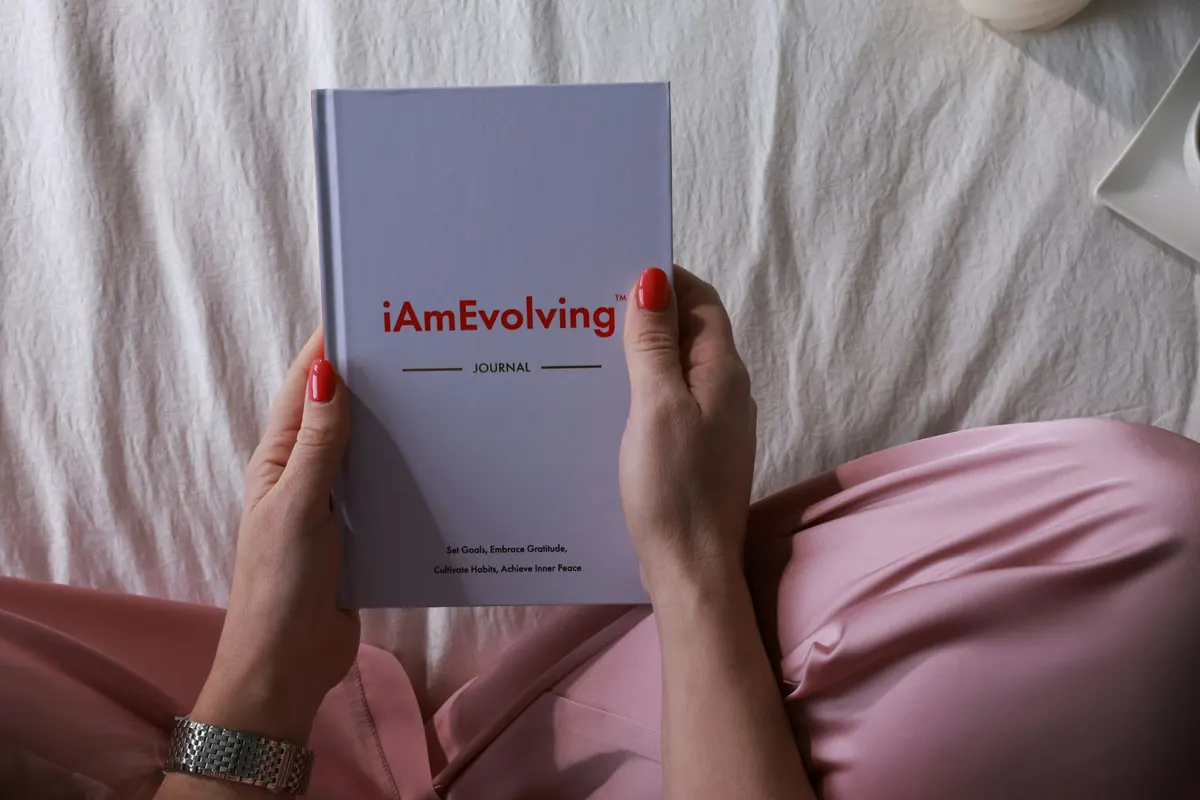
How to Start a Gratitude Journal That Actually Sticks
Gratitude journaling has a reputation problem. It gets recommended the way drinking more water does — a vague, harmless suggestion that nobody argues with and almost nobody keeps up. The result is a shelf of half-used notebooks and a quiet sense that you are somehow bad at being thankful.
You are not. The habit usually fails for boring and fixable reasons: the routine is too big, the timing is random, and the prompts are so broad that you write the same three lines until you quit. Here is a version you can still be using in six months.
Most Gratitude Journals Fail Because They Ask Too Much
Picture the standard advice: every night, write five things you are grateful for, in a beautiful notebook, by candlelight. That is a writing assignment, not a habit. On a good day you can manage it. On the day you get home late, eat standing up, and fall asleep with your phone on your chest, you cannot — so you skip it. Skipping once makes skipping twice easy.
There is a second problem. Broad entries like "my family," "my health," and "my job" are true, but they register as nothing. Your attention slides right past them because they describe a category, not a moment.
So treat the journal as a record, not a report card. It is not a measure of how grateful you are, and it is not a performance for a future reader. It is a short note about what actually went right today, written in enough detail that your brain treats it as real.
Start Smaller Than Feels Impressive
The version that survives is almost embarrassing in its modesty: two minutes, three lines, at least one of them specific. Three lines still counts when two of them are "the weather" and "leftover pasta."
Then attach it to something you already do without thinking. A new habit needs an old habit as a hook:
- Morning: with your first coffee, before you open email.
- Afternoon: at lunch, before you scroll.
- Evening: after you brush your teeth, or while your phone charges across the room.
Pick one hook and use it every time. Keep the tool boring — a cheap notebook by the kettle, or a running note on your phone. A fancy journal you are afraid to ruin is a journal you will not open.
Pick the Schedule That Matches Your Actual Week
Daily is ideal, but daily is not the only version that works. Choose one of these and hold it for three weeks before you change anything.
The two-minute daily
Three short lines at the same trigger, every day. Best for people who want a fixed anchor and do not mind brevity. If you have three minutes, add one sentence about why one of the lines made the list.
The three-evenings-a-week version
Monday, Wednesday, Friday — or whichever days are calmer. Write four or five lines each time. Best for shift workers, parents of small children, and anyone whose evenings are unpredictable.
The Sunday long-form
One sitting, ten to fifteen minutes, looking back over the week. Write about three moments that mattered and what they had in common. Best as a starting point if daily writing already feels like a chore; many people begin here and add a short weekday line later.
Consistency beats frequency. A journal you open three times a week for a year does more for you than one you open nightly for nine days.
Prompts That Get Past "Family, Friends, Coffee"
Good prompts point at moments, not categories. Keep a few of these on the inside cover and rotate through them:
- Something small that went right. The bus arrived as you reached the stop. The avocado was perfect.
- A person who made your day easier. What exactly did they do?
- Something your body did for you. Legs that carried you up the hill, hands that chopped dinner, a nap that reset you.
- A discomfort you got through. An awkward email, a hard conversation, a long wait.
- Something you would have missed if you had been rushing. The smell of bread outside the bakery, a dog waiting outside a shop.
- Something you own that you use every day and never notice. The mug, the worn-in shoes, the good scissors.
- Something hard that taught you something. Save this one for weeks when the easy answers feel false.
If a prompt does not fit today, skip it. The list exists to loosen your attention, not to be completed in order.
Write It So Your Brain Believes You
Detail is what separates a journal that works from a list you forget by Friday. Compare "grateful for coffee" with "the first sip of coffee on the balcony, before anyone else was awake, and the street was completely quiet." The second one gives your attention something to hold.
Three habits help:
- Add a because. "Grateful for Priya's text, because I had been dreading the day and she remembered."
- Use contrast. Say what the day would have been like without it.
- Skip the summary line. If a sentence could apply to any day of your life, replace it with one that only fits today.
Tuesday: the mechanic called back within an hour and quoted less than I expected. I had budgeted the whole afternoon for bad news and instead had time to walk by the river. The water was high and brown from the rain.
That is a whole entry. Four lines, ninety seconds, no poetry required.
What to Do When You Miss Days
You will miss days. That is not a failure, it is the normal texture of a habit. What matters is the repair plan:
- Do not catch up. Backfilling five days at once turns the journal into homework and gives you a reason to avoid it.
- Write one line tonight. One, not three. The goal is to reopen the notebook, not to be thorough.
- Drop the streak. Counting consecutive days makes one missed evening feel like a loss, and losses are what people quit over.
- Keep the pen visible. If it lives in a drawer, the habit lives in a drawer too.
If you miss a week, restart with the smallest version you can imagine and stay there until it feels automatic.
Tonight, Two Minutes
Put the notebook somewhere you will see it, choose one trigger, and write three lines about today. One of them should be a moment rather than a category. That is the whole practice, and it is enough to start.
Notice after a couple of weeks whether your attention has shifted — whether you catch small good things during the day because you know you will be writing them down. That shift is the real payoff, more than anything on the page.
Keep it kind and unambitious. If you find that low mood, worry, or grief is sitting on your chest most days, a notebook is a useful companion but not a substitute for support. Talking to a doctor or therapist is a sensible next step, and it does not mean the journaling was pointless.
Photo: iAm Evolving / Pexels

Self-Care for Desk Workers: 8 Stretches and Habits to Reset Your Day
Five quick desk stretches and three daily habits that ease tension, rest tired eyes, and clear mental fog...

What Is Mindful Eating? A Simple Explainer for Beginners
Mindful eating is simply paying attention to your food and your body while you eat. Here's how the...
About Us