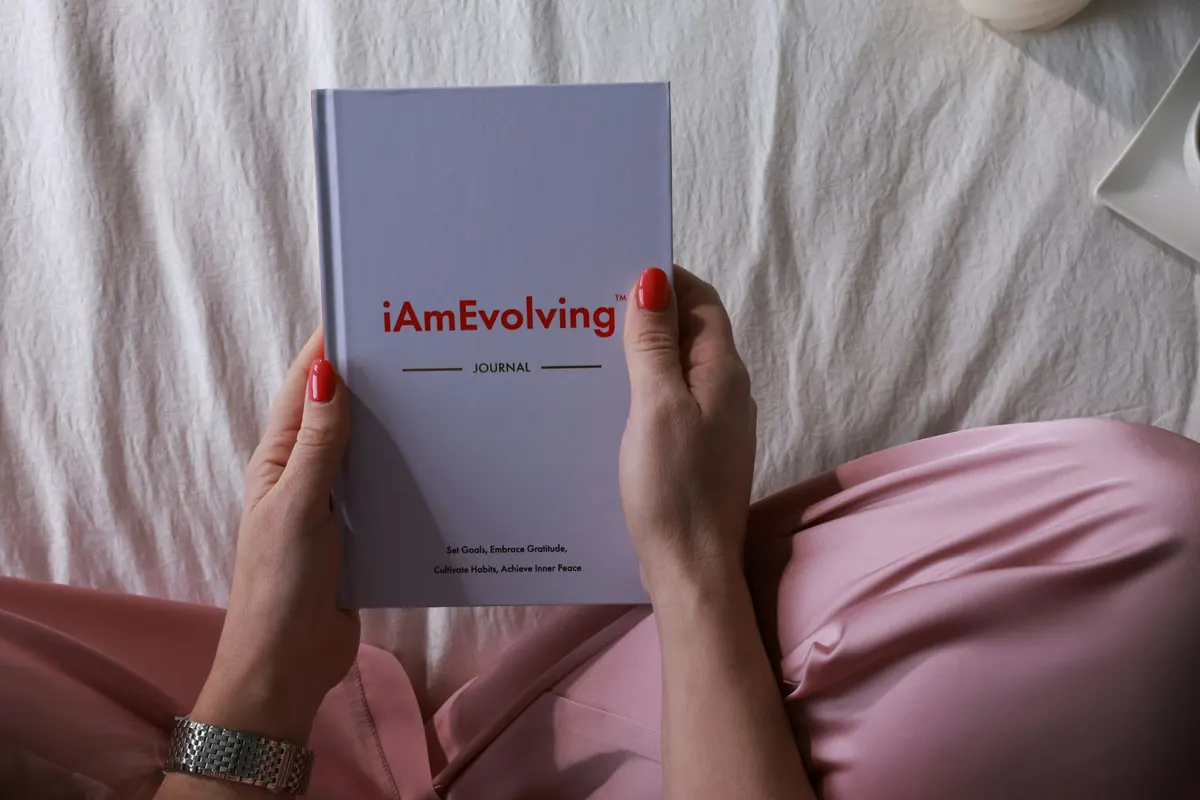
5-Minute Mindfulness Breathing Techniques for Busy Mornings
Your alarm goes off at 6:40. By 6:42 you are scrolling, mentally rehearsing the first meeting, and hunting for a sock with one foot. That is exactly when a breathing practice would help, and exactly when it is least likely to happen.
The problem is rarely motivation. Most breathing routines ask for twenty quiet minutes and a cushion you don't own. A five-minute version asks for almost nothing: no special clothes, no app, no schedule change. You can do it on the edge of the bed or standing at the kettle. What you get back is a settled body and a mind with one job instead of nine.
Why Five Minutes Is Enough
Slow breathing — especially with exhales longer than inhales — tends to calm the body's stress response. Your heart rate eases, the muscles around your jaw and shoulders soften, and the sense of urgency drops a notch. You are not chasing a blank mind. You are looking for a shift you can actually feel: a looser jaw, a slower blink, one second where you don't need to check anything.
Short sessions work because the skill is familiarity, not endurance. Three minutes every morning for a week teaches your body the pattern far better than a half-hour session twice a month. Five minutes also fits inside the part of the morning when your willpower is still intact.
Two Rules Before You Start
- Stay upright. Sit on the edge of the bed, stand, or use a chair with both feet on the floor. Lying down turns the practice into a nap.
- Never force a breath. If you feel dizzy, tingly or short of air, stop counting and breathe normally for a minute. Discomfort is not progress.
A quick posture check helps: feet flat, spine tall but not rigid, shoulders heavy, jaw loose, tongue resting away from the roof of your mouth. Resting a hand on your belly lets you feel the lower ribs widen instead of the shoulders lifting.
One caution worth taking seriously: if you have a heart or lung condition, a panic-related condition, or you are pregnant, check with your doctor before doing any breath-holding practice. Gentle extended exhales are usually the safer starting point, but get proper advice first.
Method 1: The 4-6 Breath
This is the default. No holds, no counting to twenty, nothing to remember at 6:45 in the morning.
- Breathe in through your nose for a count of four.
- Breathe out through your nose, or through slightly pursed lips, for a count of six.
- Repeat eight to ten times. That is roughly ninety seconds.
The long exhale does the work; the inhale mostly takes care of itself. If six counts feels strained, use four and five. If it feels easy, keep it at four and six rather than pushing to eight — you want a rhythm you could hold while walking, not a personal record.
Try it before you touch your phone. That first check of messages sets the emotional tone of the morning more than most people realize.
Method 2: Box Breathing
Box breathing uses four equal parts, which gives a scattered mind something to grip.
- Inhale through your nose for four counts.
- Hold gently for four. Not a strained hold — just a pause.
- Exhale for four counts.
- Hold empty for four, then begin again.
Five to eight rounds takes about two minutes. It suits mornings with a specific worry attached: a presentation, a difficult phone call, a commute you would rather skip. Skip this method if breath-holding is off-limits for you, and use the 4-6 breath instead.
Method 3: The Humming Exhale
For mornings when your chest feels tight and counting feels like effort, humming is the simplest way to lengthen an exhale.
Inhale through your nose, then exhale on a low, steady hum — mmmm — until the air runs out. Don't force the last bit; let it taper. Repeat six to eight times, about a minute in total. The hum keeps the exhale long and gives your attention an anchor that isn't a number. Because your mouth stays closed, you can do it in a parked car, in a bathroom, or quietly on the walk to the bus stop.
Fitting It Into a Real Morning
Pick one cue you already have in your day and attach the practice to it. Don't add a new alarm.
- Before your feet hit the floor: three 4-6 breaths while still sitting on the bed.
- While the kettle boils: box breathing for the length of the boil.
- At a red light or on the train: humming exhales, mouth closed, eyes open.
- Before you open email: one minute of whichever method you chose, phone face down.
Choose a single cue for a week rather than four. Repeating the practice at the same moment is what makes it automatic; moving it around is what makes it forgettable.
When Your Mind Won't Settle
It usually won't, at first. That isn't failure. Noticing you have drifted and returning to the count is the practice, not an interruption of it.
- Nose blocked? Breathe through your mouth. The ratio matters more than the route.
- Feeling lightheaded? Shorten the counts and drop the holds entirely.
- Thoughts racing? Name it silently — "planning" — then return to the next exhale.
- Missed three days? Restart with three breaths rather than a lecture about discipline.
Keep the tone light. If five minutes becomes another item you are failing at, cut it to sixty seconds until it feels easy again.
Pick One and Give It a Week
Choose a single method — the 4-6 breath is the easiest to keep — and pair it with one daily cue for seven days. Three to five minutes is plenty. Most people notice the clearest difference not during the practice but twenty minutes later, when a small annoyance lands and their reaction is quieter than it used to be.
Breathing exercises are support, not treatment. If anxiety, low mood or poor sleep is shaping your mornings, talk to a doctor or a licensed mental health professional. These techniques work well alongside proper care, not instead of it.
Photo: sergeitokmakov / Pixabay
Self-Care for Desk Workers: 8 Stretches and Habits to Reset Your Day
Five quick desk stretches and three daily habits that ease tension, rest tired eyes, and clear mental fog...

What Is Mindful Eating? A Simple Explainer for Beginners
Mindful eating is simply paying attention to your food and your body while you eat. Here's how the...
About Us